How Ancient Families Preserved Their Stories: From Roman Wax Masks to Modern Technology
The urge to preserve family stories is not new. It's one of the oldest human impulses, right up there with building shelter and cooking food. For as long as people have lived in families, they've found ways to make sure the next generation knew where they came from.
What's changed is the method. The goal has always been the same: don't let the stories die with the people who lived them.
The Roman Wax Masks
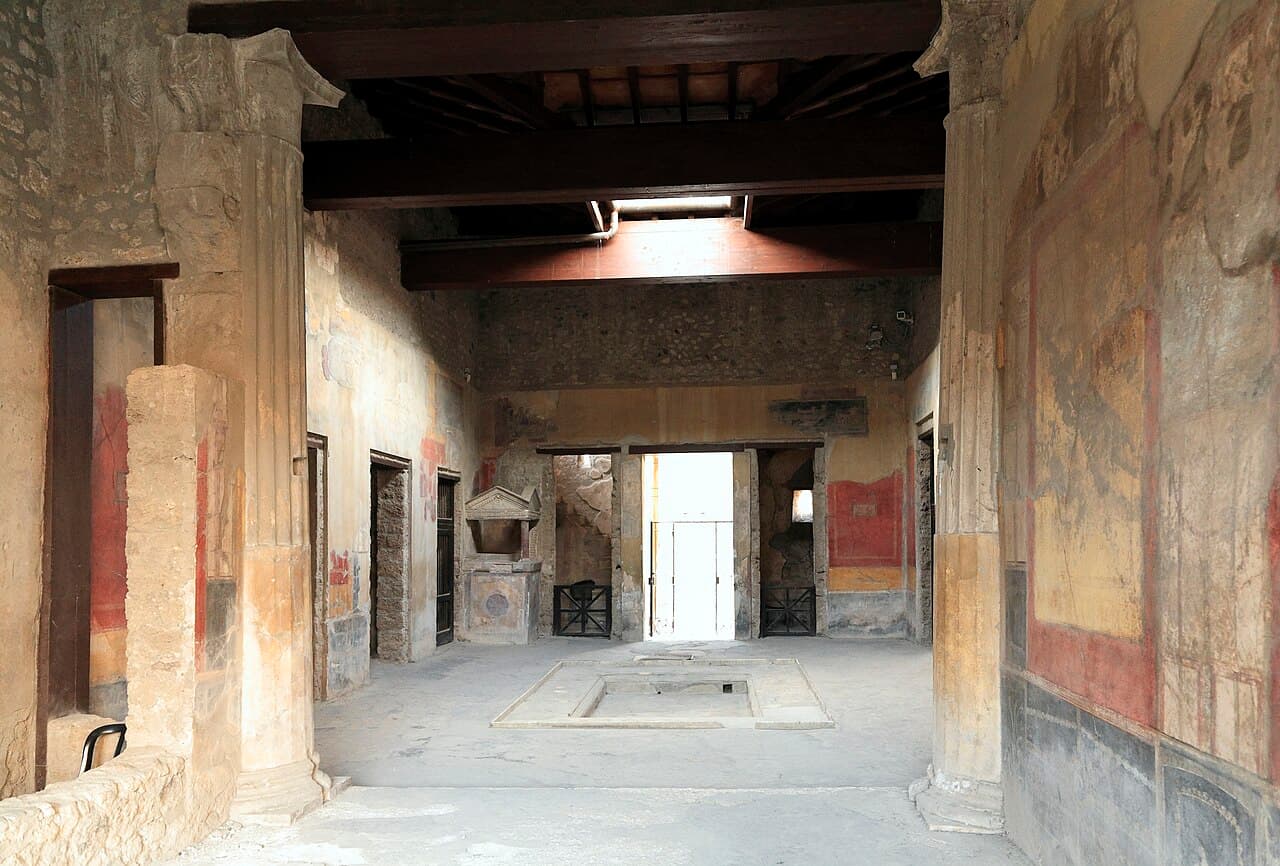
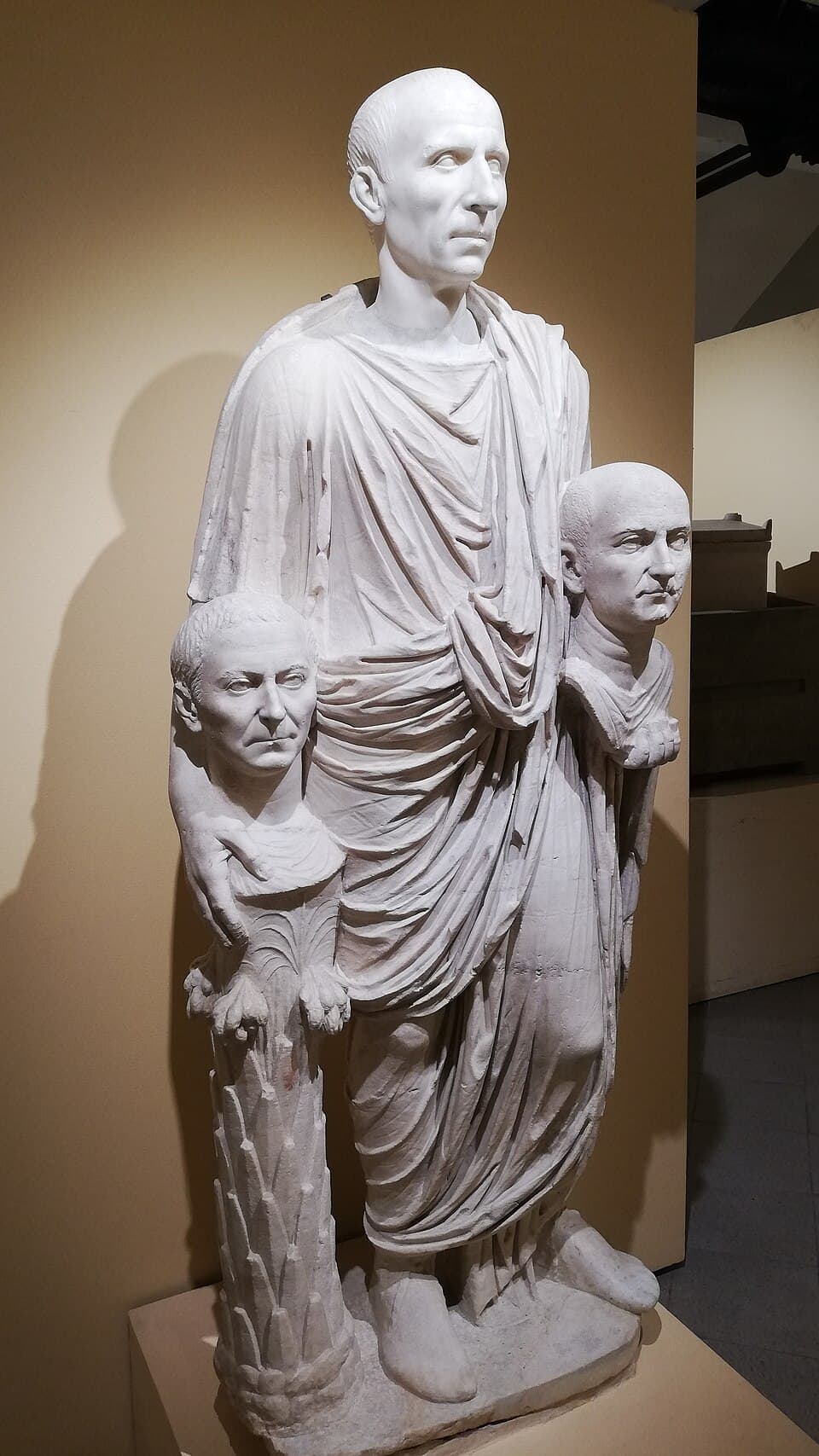
In ancient Rome, wealthy families practiced a ritual called imagines maiorum, which translates roughly to "images of the ancestors." When a prominent family member died, an artisan would create a wax mask of their face. These masks were kept in wooden cabinets in the atrium of the family home, right in the main hall where everyone could see them.
But the masks weren't just decorations. They were tools for storytelling.
At funerals, family members would actually wear the masks of their ancestors and reenact scenes from their lives. Imagine watching your uncle put on the face of your great-great-grandfather and deliver a speech about what that man accomplished, what he stood for, what he sacrificed. It was theater, memorial, and family history lesson all at once.
The Romans understood something that we sometimes forget: family stories need a ritual to survive. Without a structured way to pass them on, they fade. The wax masks gave families a physical anchor for their stories and a regular occasion to retell them.
The practice was so important that it became a mark of social status. A family with a long row of masks in their atrium was a family with deep roots and proven character. The masks were evidence that you came from people who mattered.
Oral Tradition in West Africa
On the other side of the Mediterranean, West African cultures developed a completely different but equally powerful system. Instead of masks, they had griots.
A griot is a hereditary storyteller, musician, and historian rolled into one. Griot families passed the role down through generations, and each griot memorized the complete history of the families they served. Not just the names and dates, but the stories, the songs, the feuds, the love affairs, the migrations.
A skilled griot could recite a family's history going back centuries. They performed at weddings, naming ceremonies, and funerals, weaving the past into the present. When a griot spoke about your great-grandmother, you could hear her voice in their words.
The griot tradition shows that family stories don't just preserve the past. They give the present meaning. Knowing that your family survived a drought, built something from nothing, or held together through a crisis gives you a sense of resilience you can't get any other way.
This tradition still exists today in parts of West Africa, though it's been pressured by modernization and urbanization. The griots who remain are cultural treasures, carrying centuries of family history in their memories.
Family Bibles and the Written Record
In Europe and early America, the family Bible served a similar function in a much simpler way. Families recorded births, marriages, and deaths in the front pages of their Bible, creating a running record that was passed down through generations.
But the family Bible was more than a ledger. It was often the only book in the house, and it carried weight. Writing a name in the family Bible meant something. It was an act of recognition, a way of saying: this person existed, they were part of us, and they matter.
Some families added notes alongside the dates. A line about what someone did for a living, where they came from, or how they died. These tiny annotations are sometimes the only record we have of ordinary people who lived centuries ago. Genealogists treasure these Bibles because they contain information that no government record captured.
The family Bible tradition eventually faded as record-keeping moved to governments and institutions. But for hundreds of years, it was the primary way ordinary families kept track of who they were and where they came from.
Indigenous Australian Songlines
Aboriginal Australians developed what might be the oldest continuous system of family and cultural preservation in human history. Songlines are paths across the land that are described in song. Each song tells the story of the landscape, the ancestors who shaped it, and the events that took place there.
Songlines have been maintained for tens of thousands of years. They're passed from generation to generation through ceremony, song, and story, encoding practical navigation information alongside cultural and family history.
What makes songlines remarkable is that they tie family stories to physical places. Walking the land becomes an act of remembering. Every hill, creek, and rock formation has a story attached to it, and knowing those stories means knowing who you are.
Japanese Family Registers
Japan has maintained a system called koseki since the 19th century. A koseki is a family register that records every member of a household, including births, deaths, marriages, divorces, and adoptions. Some families can trace their koseki records back over a hundred years.
But long before the koseki system was formalized, Japanese families kept their own records. Samurai families maintained detailed genealogies that tracked lineage, accomplishments, and alliances. These records were matters of honor and social standing, similar to the Roman wax masks.
Even today, the koseki system means that many Japanese families have access to detailed family records going back generations. It's one of the most comprehensive family record-keeping systems in the world.
What Changed
For most of human history, family stories were preserved through some combination of ritual, physical objects, and designated storytellers. The methods varied wildly across cultures, but the underlying pattern was the same: someone was responsible for remembering, and there was a regular occasion for sharing.
The 20th century broke this pattern in several ways.
Families got smaller. Extended families that once lived together or nearby scattered across countries and continents. The Sunday dinner table where stories were told became a phone call, then a text message, then nothing.
The pace of change accelerated. Your grandparents' childhood world is so different from yours that it can feel like ancient history, even if it was only 60 years ago. The gap between generations widened, and with it, the assumption that the old stories weren't relevant anymore.
Technology replaced ritual. We took more photos than any generation in history but told fewer stories. We documented surfaces while the deeper narratives went unrecorded.
And perhaps most importantly, nobody was designated as the keeper of stories. In cultures with griots or oral traditions, someone had the explicit job of remembering. In modern families, nobody does. Stories survive by accident, if at all.
The Modern Challenge
Here's the thing that the Romans, the griots, the family Bible keepers, and the Aboriginal songline carriers all understood: stories don't preserve themselves. They need a system, a ritual, a regular practice of asking and telling and recording.
The good news is that the tools available today are better than anything our ancestors had. We can record audio, video, and text. We can share stories instantly with family members across the world. We can store them permanently in ways that wax and paper never could.
What we're missing isn't the technology. It's the intention. The Romans had their funeral processions. The griots had their ceremonies. Modern families need their own version of these rituals, some regular practice of sitting down with the people who carry the stories and asking them to share.
It doesn't have to be elaborate. It can be as simple as a phone call with a good question, or a conversation at the kitchen table with a recording app running in the background. The important thing is that it happens, regularly, before the people who carry the stories are gone.
The method has changed a thousand times over human history. The need never has.
Start Preserving Your Family's Stories
Atrium sends thoughtful questions to your family and turns their answers into a growing collection of stories. Free to start.
Get Started Free